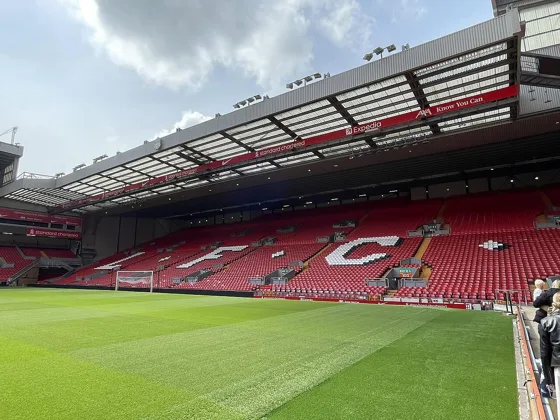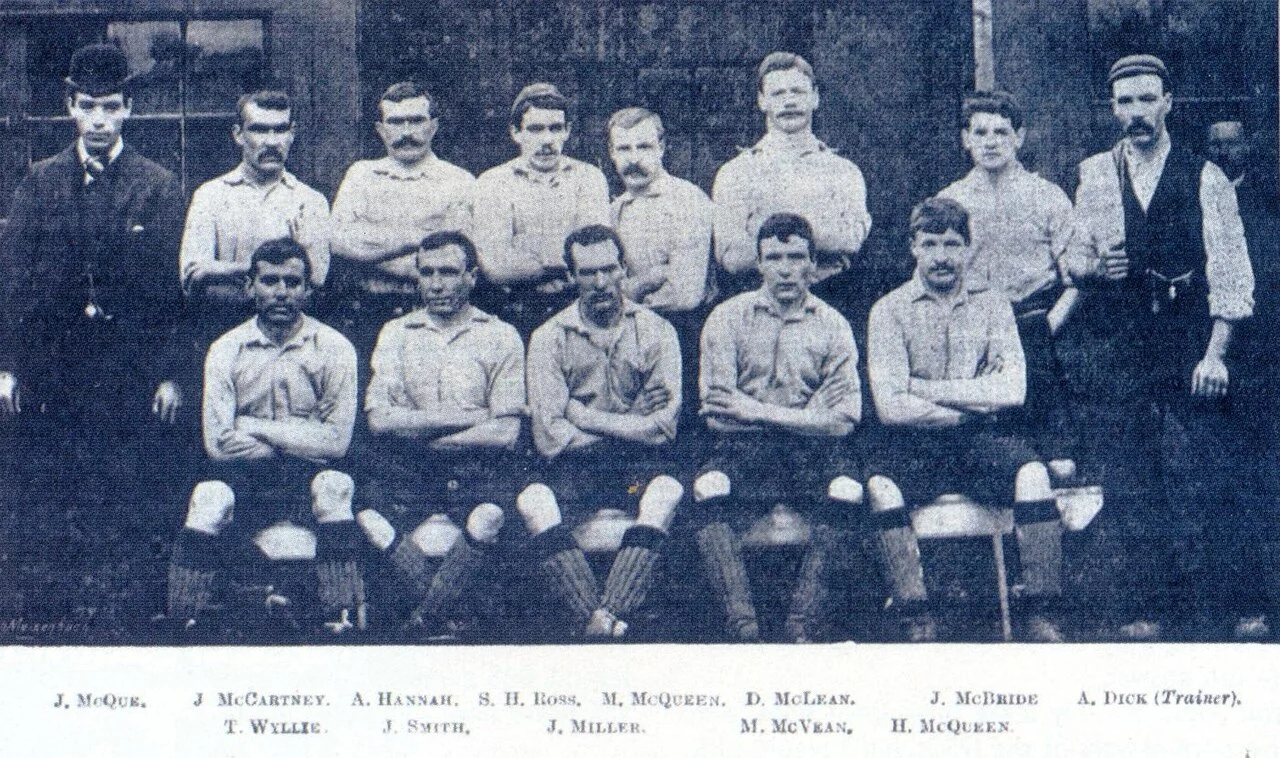
Before Liverpool played at Anfield, Everton did. That is the useful starting point: the ground’s history did not begin when its present occupants arrived. Liverpool FC’s foundation account dates Everton’s use of Anfield to 1884 and John Houlding’s purchase of the ground to the following year.
A dispute involving rent and control eventually broke that arrangement. The separation was formalised in March 1892; Everton moved to the site that became Goodison Park. Liverpool’s official foundation date is 3 June 1892, when the Board of Trade recognised the new company. March explains the rupture. June records the institution that followed.
Keep both halves in the picture
It is tempting to tell a foundation story as a procession towards the inevitable: empty ground, new club, future greatness. The people living through it did not have our advantage. A ground without its established team was a problem to solve, not a guarantee of trophies.
For a Liverpool fanzine, acknowledging Everton’s part makes the account stronger. Rivalry grows out of proximity, shared places and competing loyalties. Erasing the neighbour leaves a poorer explanation of why these fixtures and these streets matter.
Read the date on the object
An old programme, a company document and a family recollection can each answer a different question. A printed foundation date tells you when an organisation recognises its beginning. It cannot, on its own, tell you when somebody first felt they belonged to it.
When adding an early Liverpool object to a personal archive, record what it actually shows: the printed name, the date, the address and any owner’s inscription. Keep your interpretation alongside those details. That way the next person can follow the evidence rather than inherit another confidently repeated story.
Reading & sources
What is your take?
What is the oldest Liverpool or Everton object in your family? Say what dates it, and what remains uncertain.
Join the conversation →Keep reading
A name bigger than a stand.
The Kop’s story includes a new terrace, a war and a name whose beginnings are still debated.
The city comes with it.
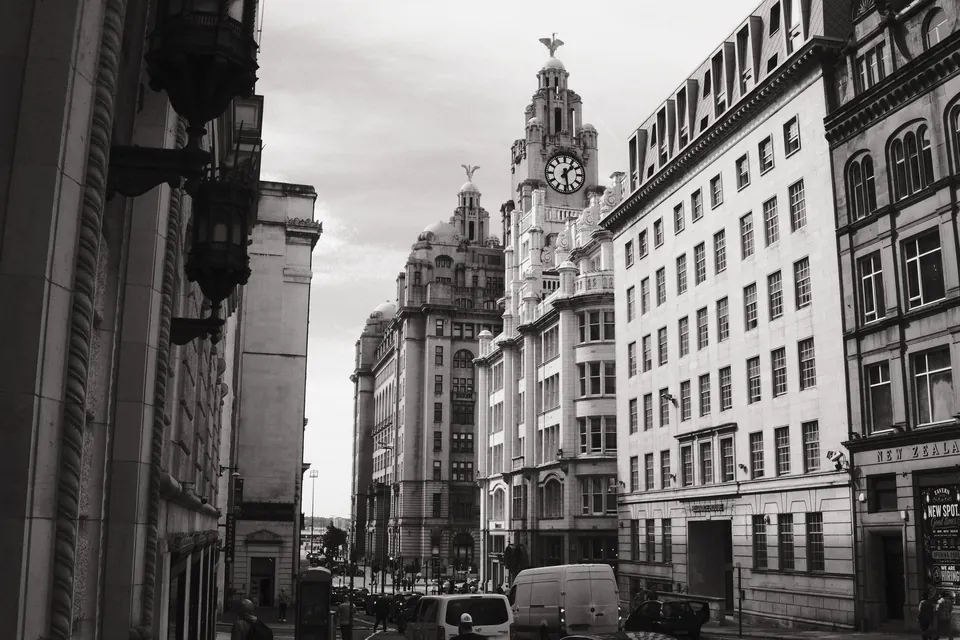
Anfield, the Liver Building, the streets between. There is more than one way to picture belonging.