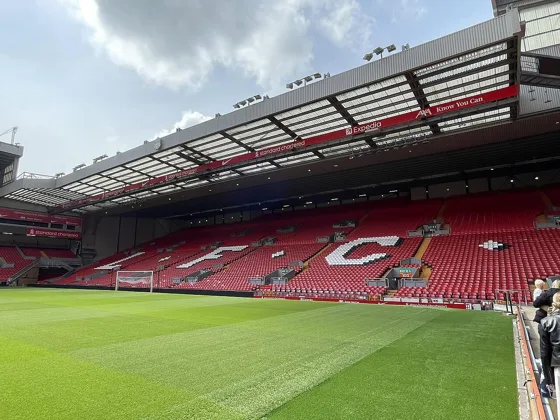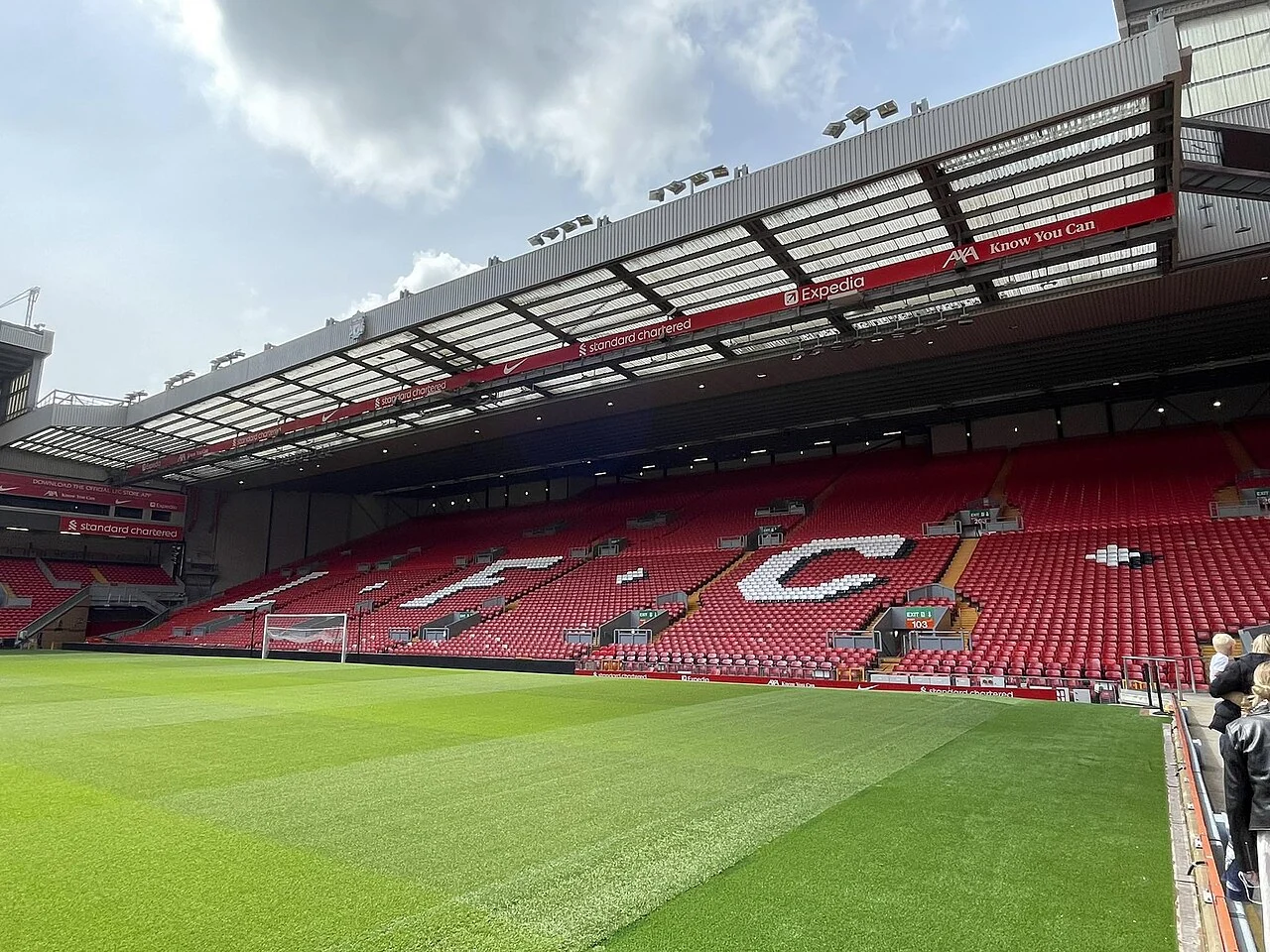
On 30 April 1994, Liverpool lost 1–0 to Norwich City in the final match before the old standing Kop was redeveloped. Jeremy Goss scored the winner. Liverpool’s retrospective records a farewell occasion in which the meaning of the stand reached beyond the afternoon’s result.
It is important to keep the scope precise. This was the farewell to that standing terrace, not the end of the Kop’s name, its supporters or its place in Anfield. A physical structure can change while a community continues, though continuity does not mean the experience stays identical.
A ground is remembered through the body
People remember where they entered, what they could see, who stood nearby and how the journey home felt. A plan of a stand cannot provide those details. A recollection cannot replace a plan either. Put the two beside each other and the archive becomes more useful.
We should resist turning every account into a declaration that the past was better. Somebody else may remember discomfort, an obstructed view or a different sense of belonging. The existence of those memories does not invalidate affection for the place.
Keep the ordinary photograph
A picture taken away from the pitch can be particularly valuable: an entrance, a meeting place, the people on the way in. Write down what you can identify before the small details become harder to recover.
For a shared photograph, give its approximate date, the photographer if known, and the basis for any identification. Avoid publishing strangers’ personal details simply because they appear in the background. The purpose is to preserve an experience, not to claim ownership of everyone in it.
The score remains Norwich’s. The memories belong to many people, and they need not all tell the same story.
Reading & sources
What is your take?
Which detail of the old Kop is hardest to explain to somebody who never stood there?
Join the conversation →Keep reading
A name bigger than a stand.
The Kop’s story includes a new terrace, a war and a name whose beginnings are still debated.
The city comes with it.
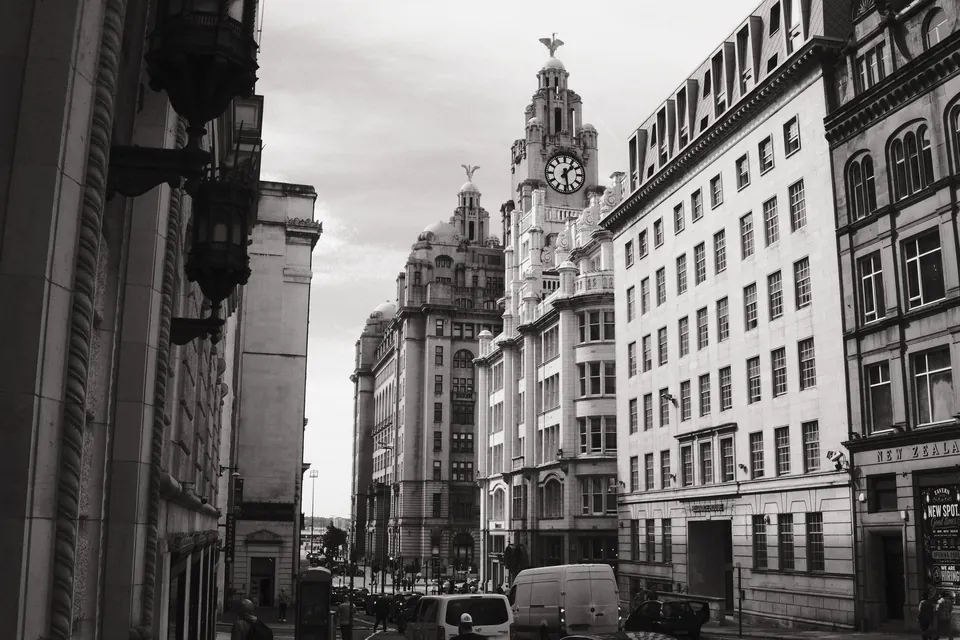
Anfield, the Liver Building, the streets between. There is more than one way to picture belonging.