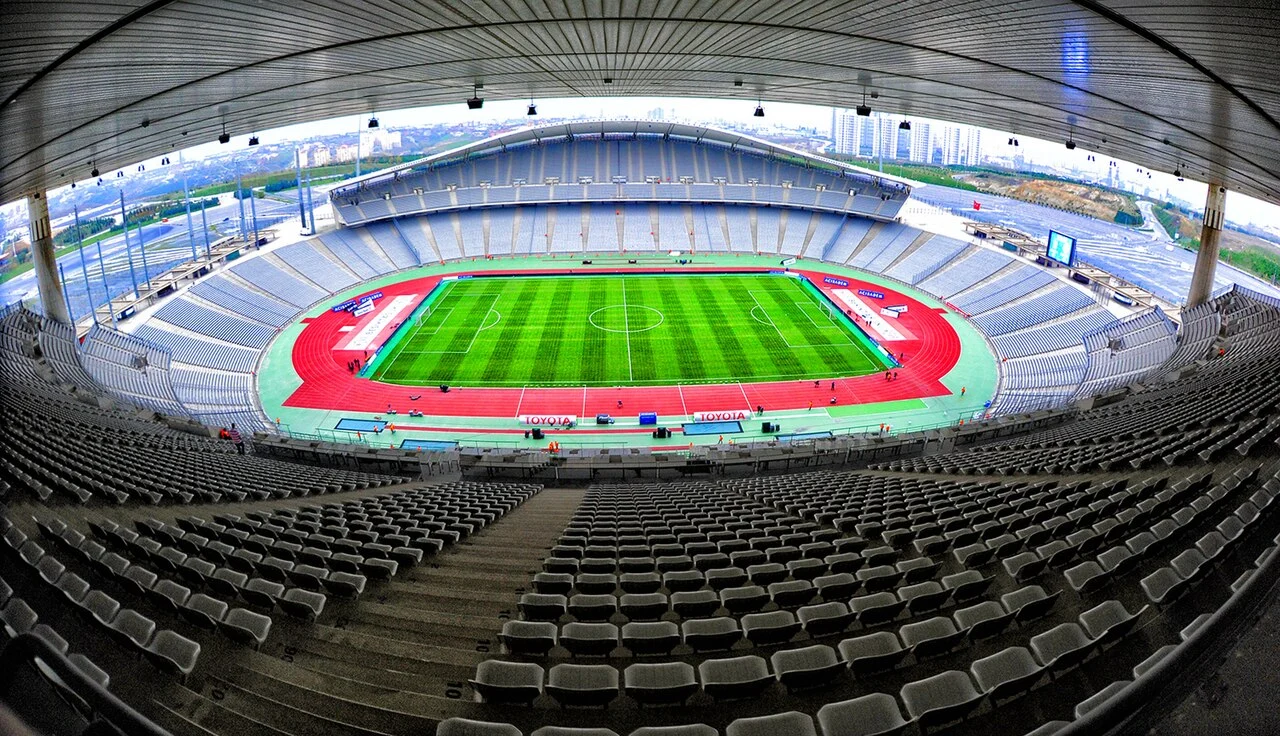
Liverpool trailed Milan 3–0 at half-time in the 2005 Champions League final in Istanbul. Steven Gerrard, Vladimír Šmicer and Xabi Alonso brought the score level. After extra time, Liverpool won the penalty shoot-out 3–2. UEFA’s account and technical record provide the backbone of the story.
The familiar burst of second-half goals is irresistible material for a highlight edit. But the equaliser did not finish the final. The team still had to get through the remaining game and extra time before the shoot-out could settle it.
The edit changes the experience
Watching the goals in sequence removes waiting. It removes the minutes in which the score does not change, the uncertainty about what comes next, and the feeling that the ending might still belong to the other team.
That is an editorial observation about how highlights work, not a claim to have been in the stadium. If you want to understand the shape of a match, compare a short compilation with a longer record. Notice how the same event can feel different when the time around it is restored.
Where you watched belongs to the history
A supporter’s account need not compete with the official match report. The kitchen, pub, living room or seat from which somebody watched can be the point of the story. So can a person who is no longer there to watch the next final.
Be specific and resist decorating the memory. If you did not hear a particular remark at the time, do not add it because it sounds right. If a photograph was taken after the shoot-out, it should not be captioned as the moment of the equaliser.
Istanbul already has enough drama. A careful memory adds a person to it; an invented one merely adds noise.
Reading & sources
What is your take?
Where did you watch the final, and what small detail has stayed with you?
Join the conversation →Keep reading
A name bigger than a stand.
The Kop’s story includes a new terrace, a war and a name whose beginnings are still debated.
The city comes with it.
Anfield, the Liver Building, the streets between. There is more than one way to picture belonging.