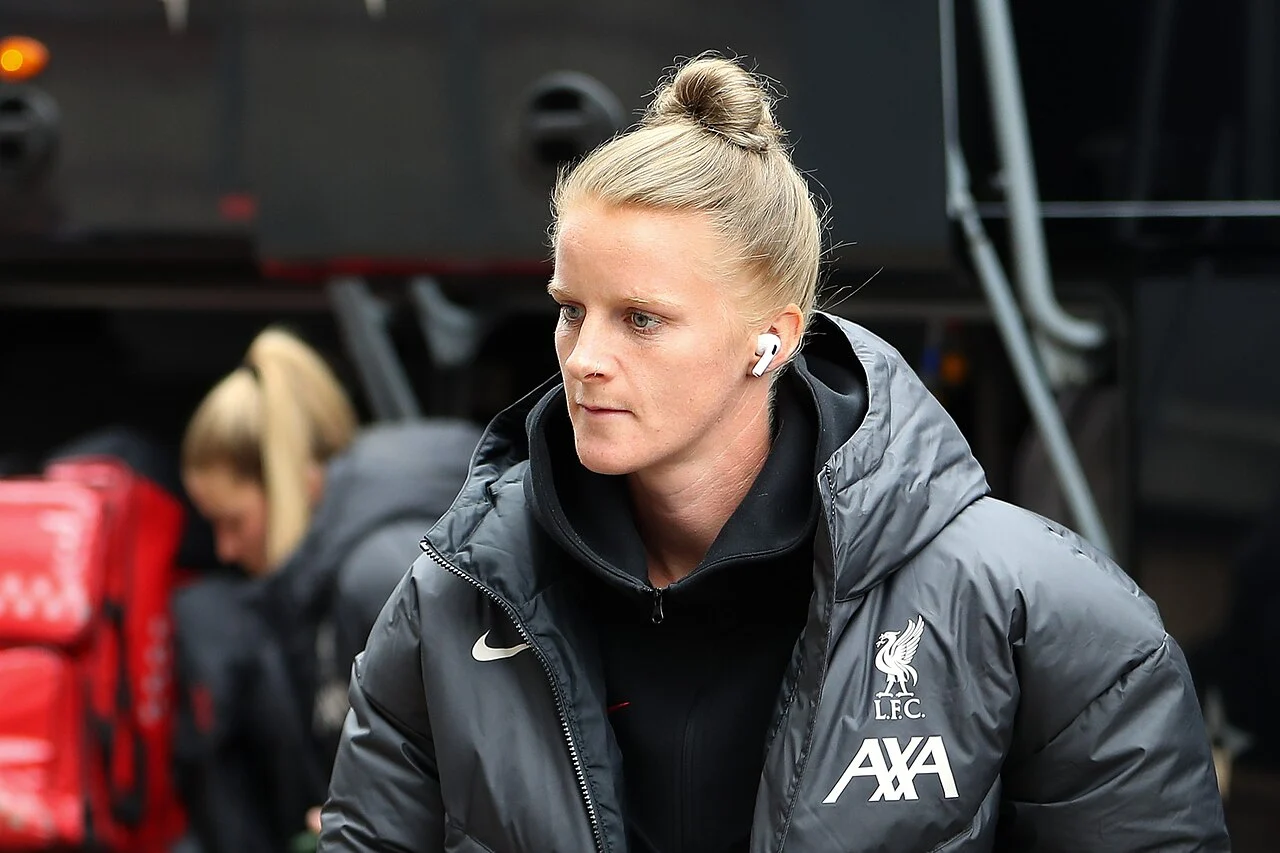
The team now known as Liverpool FC Women began as Newton LFC in 1989, became Knowsley United in 1991 and took the Liverpool Ladies name in 1994. The club’s historical account traces that progression; it is a reminder that adopting a famous name did not create the team’s entire past.
The honours record supplies two distinct championship stories. In 2013 Liverpool won twelve of fourteen league matches. In 2014 a 3–0 final-day victory over Bristol City took the team from third to first, finishing level on points with Chelsea and winning the title on goal difference.
Give each season its own shape
Two successive titles can look identical in a list. These were different routes to the same place: one record of sustained winning, another ending decided on a final day. Treating them separately immediately makes the history more readable.
It also leaves room for the years before the silverware. A team’s identity is carried by its players, organisers and supporters through less celebrated periods. A publication that begins only at a title has already thrown much of its subject away.
Part of the main archive
Our editorial position is straightforward: women’s football should not depend on a spare paragraph left over after the men’s feature. It needs dated records, proper source links and room for disagreement about the football itself.
If you kept a programme or photograph from the earlier Newton or Knowsley years, identifying it accurately is a contribution to that record. So is a memory from either title season, provided we can distinguish what you witnessed from what a later account supplied.
The next useful question is not whether these stories deserve to be here. It is which player, match or period deserves the next full page.
Reading & sources
What is your take?
Which Liverpool Women match or player should our next feature cover?
Join the conversation →Keep reading
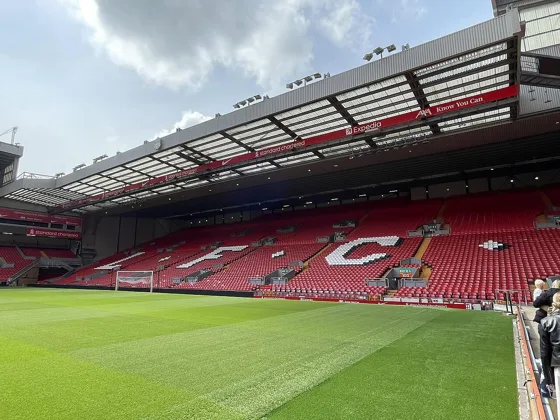
A name bigger than a stand.
The Kop’s story includes a new terrace, a war and a name whose beginnings are still debated.
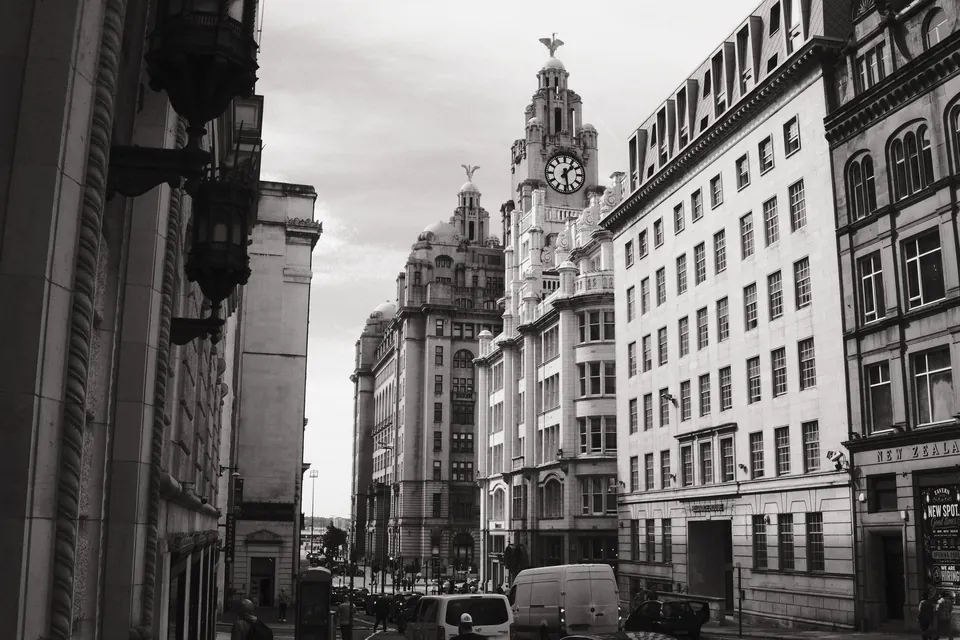
The city comes with it.
Anfield, the Liver Building, the streets between. There is more than one way to picture belonging.